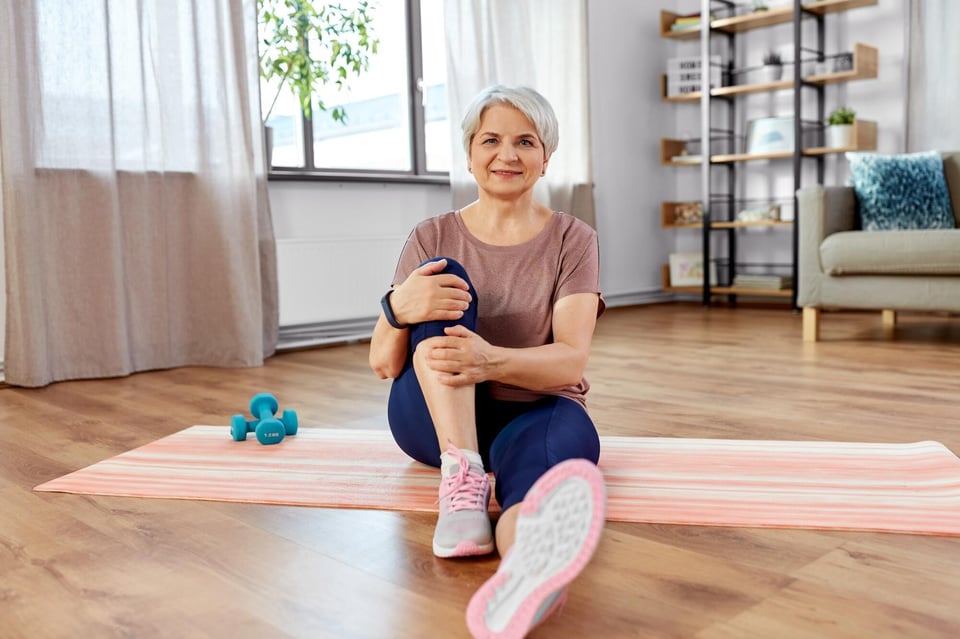
A fun indoor exercise routine can do wonders in supporting balance, mobility, mood, and overall wellness for seniors. You can incorporate anything from chair exercises or dancing to music as a way to keep active.
According to the CDC, roughly 28% of adults aged 50 and older were physically inactive in 2014. That number was even higher for those with a chronic disease. Maintaining your mobility is essential if you want to enjoy Vineland's various parks and trails.
Here are some indoor fitness ideas to try for yourself.
Why Indoor Fitness Matters for Seniors
Indoor exercise offers an inviting, comfortable space that makes regular physical activity more manageable for senior citizens. By moving regularly, seniors can improve cardiovascular health, support bone strength, and promote better balance. These are all essential for fall prevention and improving mobility.
Another benefit is emotional wellness through activity. Movement stimulates endorphins and helps regulate stress. For seniors who struggle with feelings of isolation, indoor group routines provide social connection and uplifting structure.
Finally, seniors can improve winter wellness in assisted living through indoor exercises. You don't have to worry about the cold weather affecting your workout routine or limiting your activity.
A Fun Indoor Exercise Routine for Seniors
This routine consists of five gentle, low-impact components. Together, they provide full-body benefits without strain. Seniors can complete each section in 5 to 10 minutes, allowing them to customize the session to their energy level.
Warm-Up With Circulation Boosters
A warm-up prepares muscles and joints while improving blood flow. These simple moves are ideal for indoor spaces:
- Marching in place at a comfortable pace
- Gentle shoulder rolls
- Ankle circles
- Slow overhead arm reaches
This kind of gentle movement for seniors loosens tight joints and wakes up the body.
Chair-Assisted Strength Moves
Strength training doesn't require weights. In fact, using a sturdy chair provides support and stability. Try out:
- Sit-to-stand repetitions to strengthen the legs
- Wall push-ups to build arm and chest strength
- Seated leg lifts to engage the thighs, hips, and core
These exercises help maintain independence by supporting everyday tasks.
Flow-Style Stretching for Flexibility
Stretching helps keep joints mobile and reduces stiffness, especially for seniors with arthritis or reduced range of motion. Some good stretches to try include:
- Seated or standing side bends
- Gentle wrist and finger stretches
- Slow hamstring stretches
- Torso twists
Done in a slow and mindful manner, these stretches improve flexibility and comfort throughout the day.
Low-Impact Cardio for Heart Health
Indoor cardio options can be fun and adaptable. These may include:
- Step touches
- Slow indoor walking routes
- Light dancing to favorite music
- Seated cycling motions
These cardio activities elevated the heart rate, promoting cardiovascular health and better energy levels. Simple, upbeat music can turn this part of the routine into a lively daily highlight.
Cool Down and Guided Relaxation
A gentle cool down helps the body transition back to a resting state. You can try deep breathing exercises, shoulder and arm stretches, and guided relaxation or meditation.
These calming elements support emotional balance and stress reduction, further enhancing emotional wellness.
What Is the AARP #1 Exercise for Aging People?
Healthy aging for seniors doesn't have to involve a complicated exercise routine. In fact, according to AARP, the single best exercise for seniors is the squat.
Squatting is one of the most common activities for seniors. You perform one every time you sit and stand, as well as whenever you use the washroom.
This exercise strengthens the muscle groups in your legs, such as your calves, quadriceps, and glutes. It also works your lower back muscles and core. These muscles are fundamental for many activities.
Alternatively, seniors could also turn to walking due to its accessibility and whole-body benefits. Walking is a form of cardio that supports heart health, joint mobility, and overall stamina. You can walk anywhere as long as there's enough space.
What Is the 3-3-3 Rule for Working Out?
The 3-3-3 rule is not universal, but it can serve as a guide for creating an exercise routine. In most cases, it means:
- Three days of strength training
- Three days of cardio
- Three days of rest and active recovery
It's possible to combine those three days of workouts together. Start your workout with cardio if your goal is endurance or stamina. End it with cardio if you want to build muscle and strength.
Active recovery could take the form of gentle walking, cycling, or swimming. Wellness classes in your community should provide some guidance on how to form your workout routines.
Frequently Asked Questions
How Often Should Seniors Do Indoor Exercise Routines?
Most seniors benefit from moving at least three to five days per week. Shorter sessions, such as 10 to 20 minutes at a time, are just as helpful when done consistently.
Are Indoor Exercises Safe for Beginners or Seniors With Limited Mobility?
Of course. Many indoor routines can be adapted for sitting or standing. They also avoid environmental hazards like uneven ground or cold weather. Seniors should listen to their bodies and begin with gentle movements.
Can Indoor Activities Improve Emotional Wellness?
Yes. Movement releases mood-boosting chemicals and reduces tension. Even lightweight routines can support emotional wellness when combined with music, stretching, or breathing exercises.
What Equipment Is Needed?
All you need for most of these exercises is a sturdy chair, a water bottle, and comfortable shoes. If you want to incorporate other tools, you can opt for a resistance band, light hand weights, and even a weighted ball.
Many routines require no equipment at all, and you shouldn't feel pressured to buy some.
Stay Active At Home
A thoughtfully designed, fun indoor exercise routine offers seniors a refreshing way to stay active, engaged, and grounded in their emotions. With simple movements, adaptable pacing, and supportive structure, seniors can stay consistent year-round. They can perform these workouts at home, alone, or in a group setting.
Baker Place Assisted Living is a pet-friendly assisted living community located in Vineland, NJ. Our community amenities include salon services, restaurant-quality dining, social programs, and more. Contact us today with any questions or concerns and to schedule a tour of our neighborhood.